

Dubai's real estate market crashes amid escalation of conflict with Iran, erasing 2026 growth
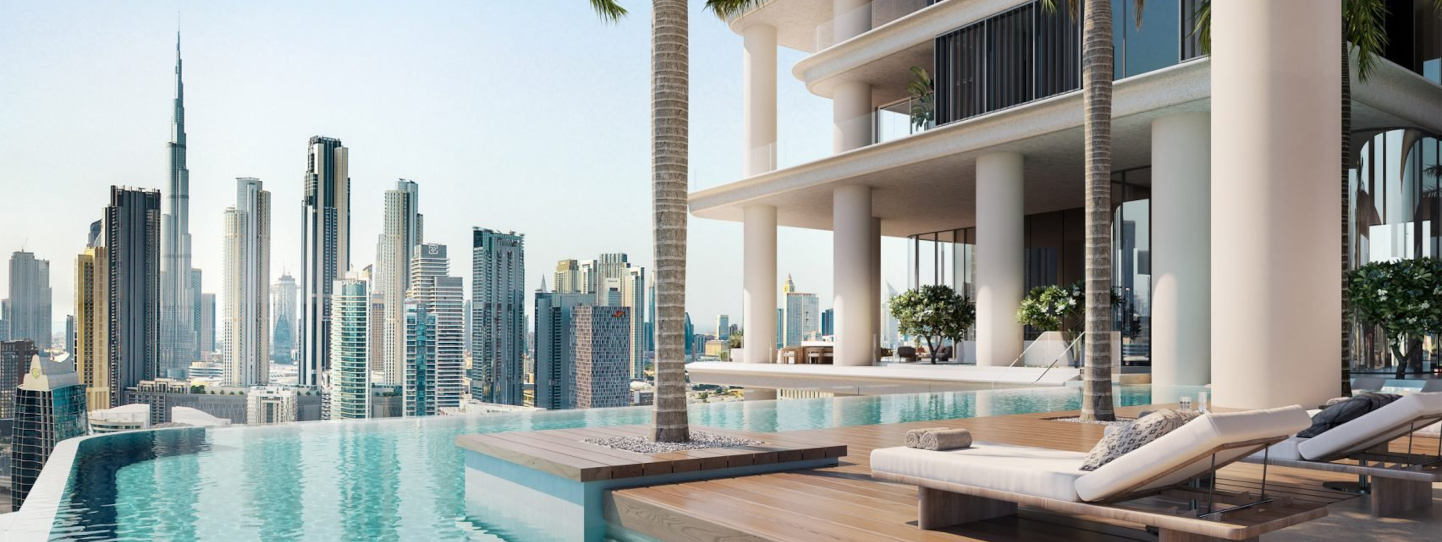
As reported by Business Standard, the Dubai Real Estate Index (DFM Real Estate Index) has shown a sharp drop of 20% in just five trading sessions. The crash has completely wiped out the indicator's growth recorded in 2026, which had previously stood at 15%.
Analysts attribute such a rapid decline to the escalation of the geopolitical situation in the region. The index dropped following missile strikes by the US and Israel on Iran and the subsequent killing of Supreme Leader Ayatollah Ali Khamenei, which triggered a flight of investors from the market.
The collapse of the index is particularly striking against the backdrop of recent records. According to data analyzed by Anarock (as cited by Business Standard), 2025 was the best year in the emirate's history: the volume of real estate transactions reached nearly AED 917 billion (about $250 billion). Since 2021, housing prices in Dubai have risen by 60-75%, making it one of the most successful markets in the post-pandemic period.
Before the military escalation, the market was also showing confident growth in 2026. According to the Dubai Immo portal, the average price per square foot (0.09 m²) in Dubai reached AED 1,800 (about $490) in January 2026, marking a 15.6% year-on-year increase. Converted to square meters, the average cost by various estimates was around $5,600. However, the market was not homogeneous: in prestigious areas such as Downtown Dubai or Dubai Marina, apartment prices started from $330,000, reaching $2 million and above, while in more affordable locations (JVC, Dubai South), options could be found from $135,000 to $490,000.
The rental market was also showing positive dynamics. According to Engel & Völkers, the average rental cost for a one-bedroom apartment was about AED 5,345 per month (approximately $1,455), and for a two-bedroom apartment — AED 7,354 per month (about $2,000). Other sources cited similar figures: studios rented for an average of AED 2,600–3,500, and one-bedroom apartments from AED 4,200 per month. Two-to-three-bedroom apartments could be rented for an average of AED 5,000 and above.
Despite the current volatility, the market retains its fundamental appeal for foreigners, especially for Indian citizens, who account for 20-22% of all purchases. High rental yields (from 6% to 9% per annum in the premium segment) continue to attract investors seeking capital preservation.
Analysts Do Not Rule Out Further Market Decline in Case of a Protracted Conflict
Real estate experts warn: if hostilities last more than a month, the market could face a second, deeper wave of correction. According to forecasts from the consulting company Knight Frank, under a protracted scenario, average housing prices in Dubai could additionally fall by 15–25% from current levels. The prime real estate and off-plan segments (properties under construction), which are most sensitive to the sentiment of speculative investors, will be hit first. Already, a number of developers are recording an increase in requests from buyers in the Middle East region to freeze deals and postpone payments.
Fundamental Factors May Mitigate the Blow but Not Prevent a Recession
Analysts interviewed by Business Standard believe that the depth of the fall can be contained thanks to structural changes in the market in recent years. Unlike the 2008–2009 crisis, today Dubai has stricter regulatory mechanisms, and the share of mortgage transactions remains relatively low (around 20–25%). This reduces the risk of mass defaults and "toxic" debt. However, a protracted war will inevitably hit tourist flows (which account for a significant portion of short-term rentals) and reduce the inflow of new capital from Russia, China, and Europe. In this case, experts predict market stagnation until the end of 2026, with a gradual recovery no earlier than the first quarter of 2027.
Long-Term Investors May See the Decline as an Entry Opportunity
Paradoxically, the current crash creates the preconditions for a new investment cycle. History shows that previous crises in Dubai (the 2009 financial crisis, the COVID-19 pandemic) were followed by periods of active growth, attracting buyers ready to enter at the market bottom. If the conflict does not escalate into a full-scale regional war involving other Gulf countries, the price correction could open a window of opportunity for large institutional investors and hedge funds. Already, some family offices from the Gulf Cooperation Council (GCC) states are considering scenarios for buying distressed assets and are preparing "liquidity cushions" for targeted acquisitions in Dubai's most liquid locations.

Need Support?
© 2006-2026 Rielt.org.